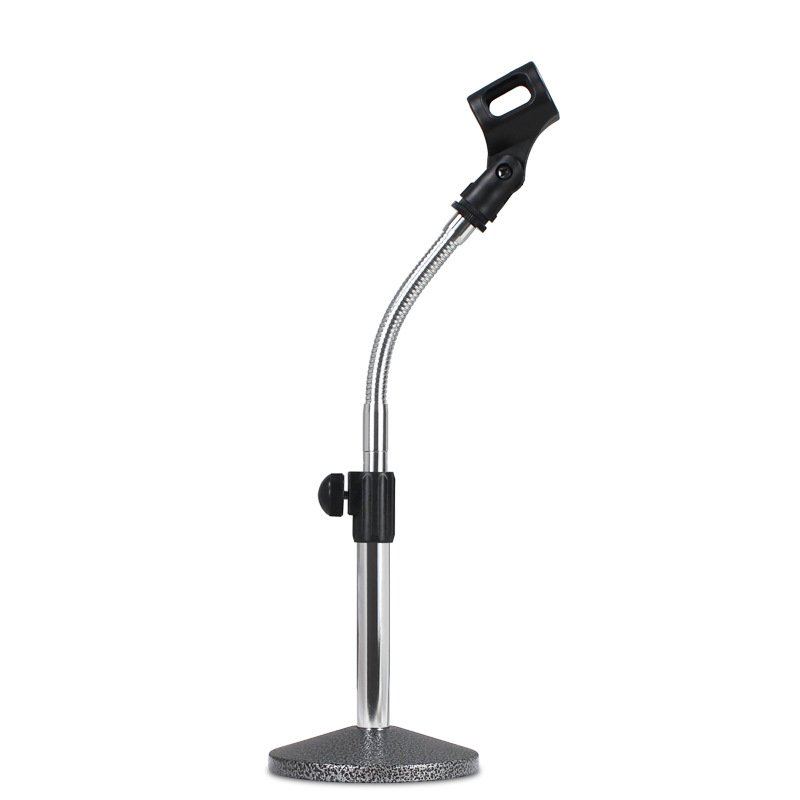
Headset Gooseneck Tubing for Microphone Boom Assemblies
Headset gooseneck tubing is used in microphone boom arms where a small flexible tube must hold position without feeling too stiff for the user. It is commonly reviewed for headsets, communication devices, conference equipment, broadcast accessories and other compact audio products.
For this type of part, the best quote usually comes from a clear drawing or sample. Length, bend force, outside diameter, surface finish and microphone-end connector all affect whether the final boom feels stable and comfortable.
Headset gooseneck tubing for compact microphone boom and audio support assemblies.
Procurement checks for headset microphone goosenecks
Check area
What to confirm
Buyer note
Use case
Headset, conference device, broadcast accessory or compact communication product.
The required feel changes depending on whether the user adjusts the boom often.
Bending feel
Tube length, outside diameter and hold-position requirement.
A boom that is too soft drops; one that is too stiff feels uncomfortable.
End details
Microphone end, headset end, sleeve, threaded insert or custom connector.
Small end fittings usually decide the real manufacturing route.
Surface finish
Black finish, coating, sleeve or visible metal requirement.
Finish should match headset design and expected handling.
RFQ details
Drawing or sample photo
Visible tube length and diameter
Bend force or hold-position expectation
Microphone-end and headset-end fittings
Sample quantity and production forecast
Practical note
For headset projects, send the complete boom area rather than only the tube. The connector and cover parts often matter as much as the flexible tubing itself.
Headset gooseneck tubing buying notes
Headset gooseneck tubing is used when a microphone boom needs controlled positioning in a small, lightweight assembly. The tube has to balance bend feel with comfort and durability.
Questions buyers usually ask
What details affect headset gooseneck tubing?
Tube diameter, length, microphone weight, cable routing, end fittings and surface finish all affect the final assembly.
Can the tubing be supplied for OEM headset production?
Yes. OEM headset projects can be reviewed from drawings, samples or assembly photos.
Useful next pages
These pages help compare the tube structure, application fit and quotation details before a sample is made.